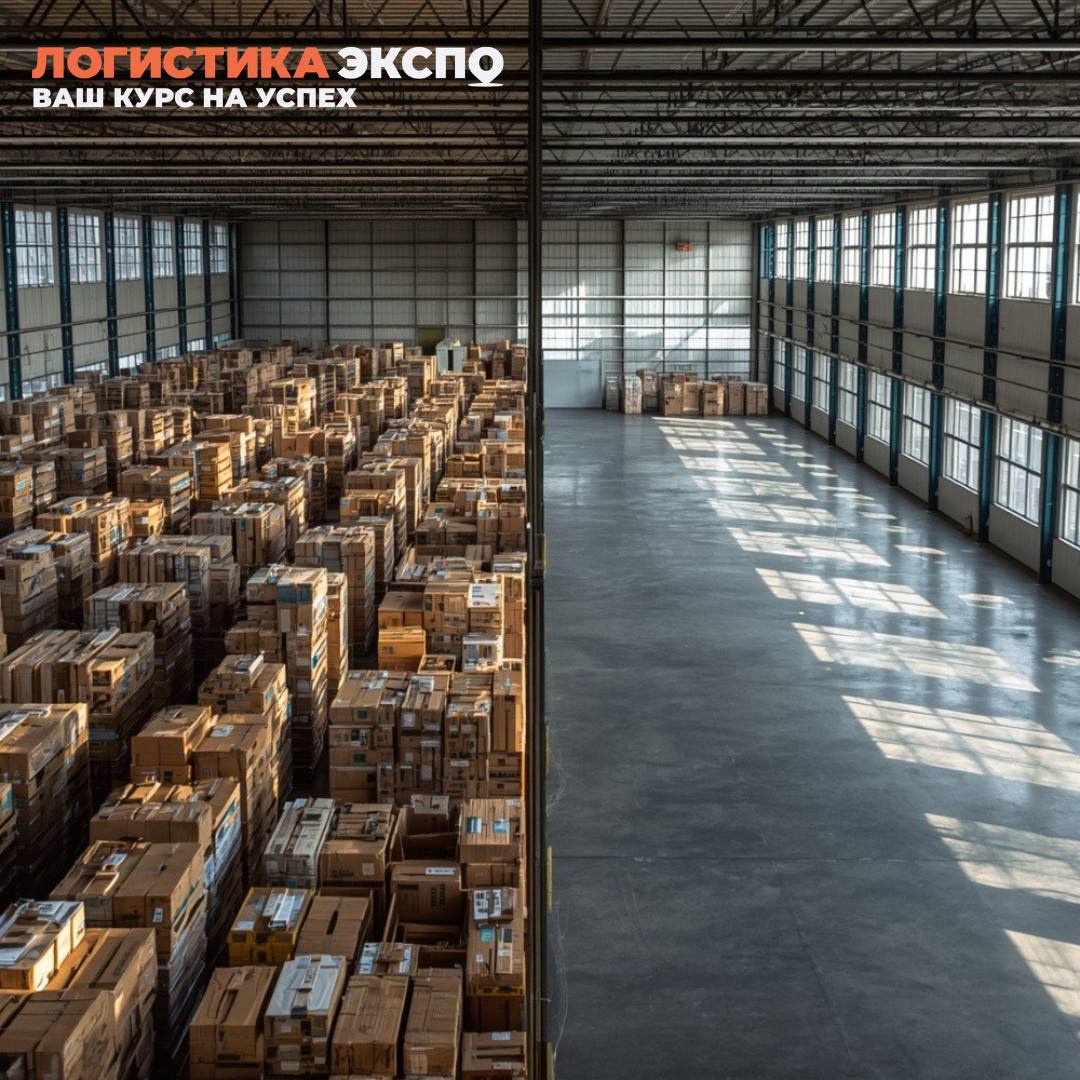
Analysts forecast a sharp rise in available space on the Moscow region warehouse market. By the end of 2026 up to one in ten square metres could be vacant, opening a strong negotiation window for tenants dealing with landlords.
Key figures:
Why developers overbuilt?
For a long time the market faced an acute shortage of space, which prompted large‑scale construction by builders. Now, for the second year in a row, supply is growing faster than absorption, and high‑quality vacant space is accumulating.
Key reasons for weaker demand:
Market assessment:
The market has already reacted to the oversupply with price adjustments
The average quoted rent for existing dry Class A warehouses in Q1 2026 fell by 5.4% quarter‑on‑quarter to 10,500 rubles per sq. m per year (excluding VAT and operating expenses). Ricci analysts forecast a further drop to 9,000 rubles per sq. m per year by the end of December.
What’s happening with personnel?
Warehouse staffing is changing in parallel. The shortage of frontline workers has eased slightly (to 5.9–10.5 resumes per vacancy), but the structure of demand has shifted:
“Today the pace of new space delivery outstrips transaction dynamics, so vacancy is returning to historically balanced levels, and rental rates are going through a downward correction,”
- says Andrey Postnikov, CEO of Ricci.
What’s next?
Most transactions traditionally occur in the second half of the year, which may partially rebalance supply and demand. Another potential driver is an expected cut in the central bank key rate, which would improve access to credit for market participants.
The main question: will landlords be able to hold rents in H2, or will the record volume of new supply finally turn the market into a tenant’s market?
Key figures:
- Vacancy could reach up to 10% by the end of 2026 (for comparison: 0.8% in 2024).
- Developers will deliver 2.3 mln sq. m of new space this year — +18% vs. last year.
- Expected transaction volume (leases + sales) is 1.6 mln sq. m, −9% vs. 2025.
Why developers overbuilt?
For a long time the market faced an acute shortage of space, which prompted large‑scale construction by builders. Now, for the second year in a row, supply is growing faster than absorption, and high‑quality vacant space is accumulating.
Key reasons for weaker demand:
- high cost of borrowed funds and restrictive lending rates
- slowdown in consumer activity in the retail sector
- companies shifting focus to optimizing existing infrastructure rather than expanding
Market assessment:
The market has already reacted to the oversupply with price adjustments
The average quoted rent for existing dry Class A warehouses in Q1 2026 fell by 5.4% quarter‑on‑quarter to 10,500 rubles per sq. m per year (excluding VAT and operating expenses). Ricci analysts forecast a further drop to 9,000 rubles per sq. m per year by the end of December.
What’s happening with personnel?
Warehouse staffing is changing in parallel. The shortage of frontline workers has eased slightly (to 5.9–10.5 resumes per vacancy), but the structure of demand has shifted:
- employers urgently need operators proficient with PCs and WMS;
- due to the lack of qualified staff, wages have risen 20–38% over the past two years.
“Today the pace of new space delivery outstrips transaction dynamics, so vacancy is returning to historically balanced levels, and rental rates are going through a downward correction,”
- says Andrey Postnikov, CEO of Ricci.
What’s next?
Most transactions traditionally occur in the second half of the year, which may partially rebalance supply and demand. Another potential driver is an expected cut in the central bank key rate, which would improve access to credit for market participants.
The main question: will landlords be able to hold rents in H2, or will the record volume of new supply finally turn the market into a tenant’s market?